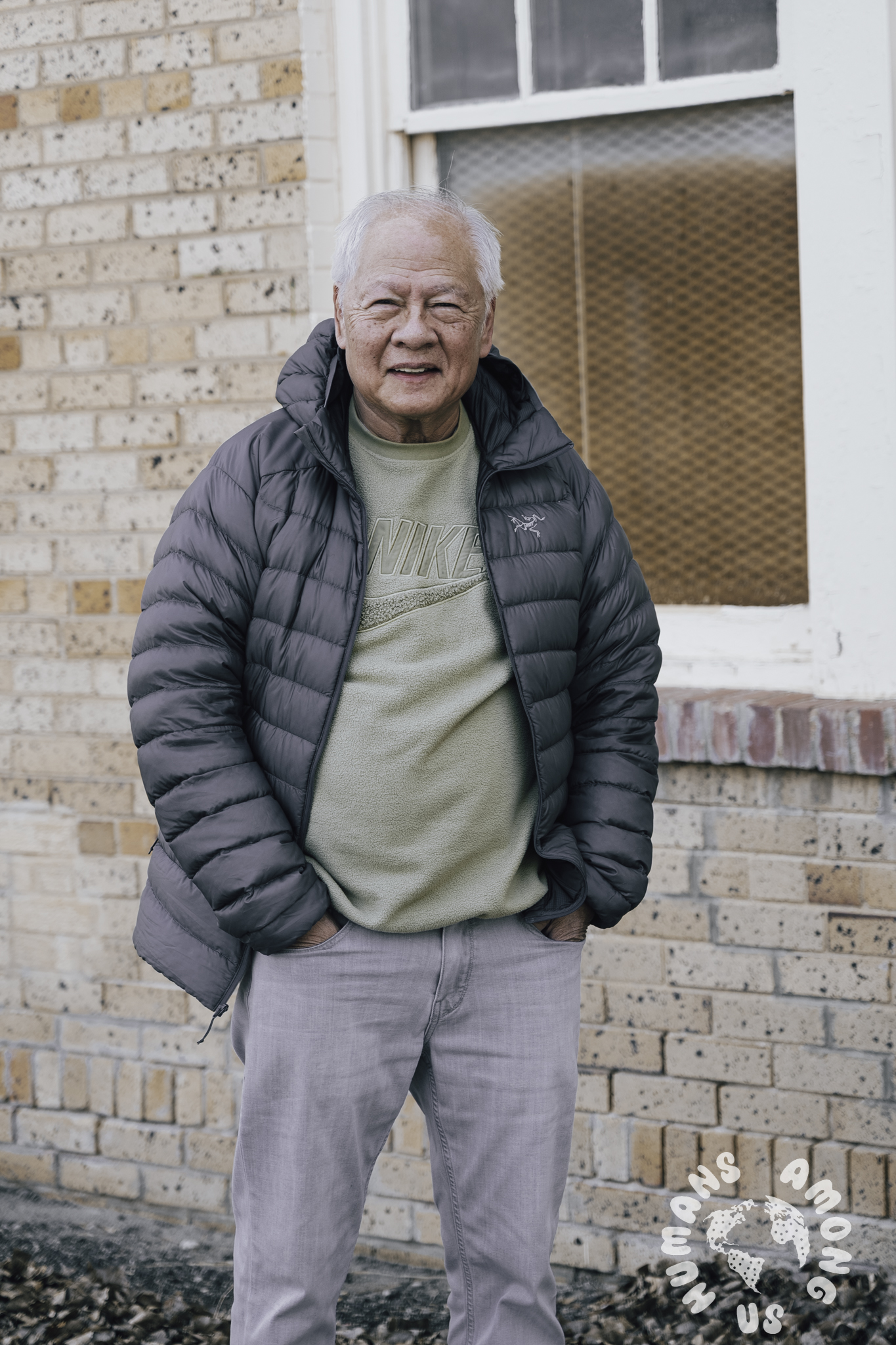
“One of the profound lessons moving from China to Wyoming taught me was the meaning of freedom.”
Meet Paul, a Chinese American born in a village in Taishan County in Guangdong, China; where he spent his first seven years. He later moved to Guangzhou which is now the sixth largest city in China; where he finished his elementary and first year of middle school. Today he calls Rock Springs, Wyoming, his cherished second home.
His life is a testament to the enduring human spirit and our capacity to adapt to circumstances we could never have imagined. His humor, zest for life, and genuine love for people remind us that perseverance does not always have to appear serious. Sometimes it is carried through laughter, curiosity, and the willingness to keep moving forward.
Paul’s journey has taken him from mainland China to Hong Kong, from Hong Kong to Tennessee, and eventually from Tennessee to Wyoming. Each move placed him in a world different from the one he had known before. Each required him to learn, adjust, and discover another dimension of what it means to be free.
Leaving China
Paul grew up in Taishan, Guangdong, during a time when information about the outside world was heavily restricted. Life was difficult, and the philosophy he absorbed early was simple: “You either make it or don’t.”
He learned that if he wanted a different future, he could not wait for someone else to create it for him. He had to become self-reliant and find a way forward, even when the path was uncertain.
That determination ran through his family. Paul’s aunt became the first person in their family to graduate from college, overcoming an educational system in which only a very small percentage of applicants were accepted. Her achievement offered an early example of what perseverance could make possible, even when the odds seemed firmly against you.
Shortly before the Cultural Revolution engulfed China, Paul left the mainland. On December 26, 1964, at the age of 14, he arrived in Hong Kong and entered a world unlike anything he had known.
One of the first things he noticed was the joy and excitement surrounding his arrival.
“Everyone was so happy and excited to see me,” he recalled. They even said “if I’d arrived a day earlier, I could have celebrated Christmas with them.”
Paul had no idea what they were talking about. He had never celebrated Christmas. In fact, he did not know what Christmas was. Growing up in mainland China, he had been largely separated from information about such traditions and celebrations.
Years later, Paul found a way to turn that realization into one of his favorite jokes.
“The Chinese communists owe me 14 years of Christmas presents!”
He laughed as he said it, but beneath the humor was a much deeper realization. Hong Kong introduced Paul to more than a celebration he had never experienced. It revealed how much of the world he had never been allowed to see.
│ BETWEEN THE LINES
Sometimes we do not recognize what has been absent from our lives until we encounter it for the first time. A new environment can do more than introduce us to a different way of living. It can expand our understanding of what is possible.
Working by Day and Learning by Night
Paul arrived in Hong Kong without knowing how to speak English. The language had not been taught in the schools he attended in China, but he quickly understood that learning it would be essential to his future.
He worked in a factory during the day and attended school at night. The routine was demanding, but it was driven by a powerful internal motivation. The difficult life he had experienced in China had taught him that opportunities were not guaranteed. If he wanted to build a different life, he would have to work for it.
Progress did not come easily. Paul faced setbacks and was held back as he learned English and adjusted to a different educational system. He joked “I was the oldest in my class, and the smartest, I just couldn’t speak English well”. Despite those difficulties, he refused to allow the language barrier or the time it took to overcome it to determine what he could become.
Hong Kong gave Paul greater freedom than he had known in mainland China, but access to higher education remained limited. At the time, Hong Kong had only two universities, making admission extremely competitive.
With relatives already living in the United States, Paul began to see America as a more realistic path toward higher education. He considered moving to New York City, but he also understood that one of the country’s largest cities would be one of its most expensive places to live.
Paul did not simply choose the most recognizable or glamorous destination. He weighed the advantages and limitations of each option and selected the path that gave him the best opportunity to move forward. Tennessee offered a more practical alternative. In 1971, he left Hong Kong and moved to Memphis, Tennessee.
│ BETWEEN THE LINES
Perseverance is not always about forcing our way through the most difficult path. Sometimes it means recognizing our limitations, adjusting our direction, and finding another way toward what matters.
Building a Future in America
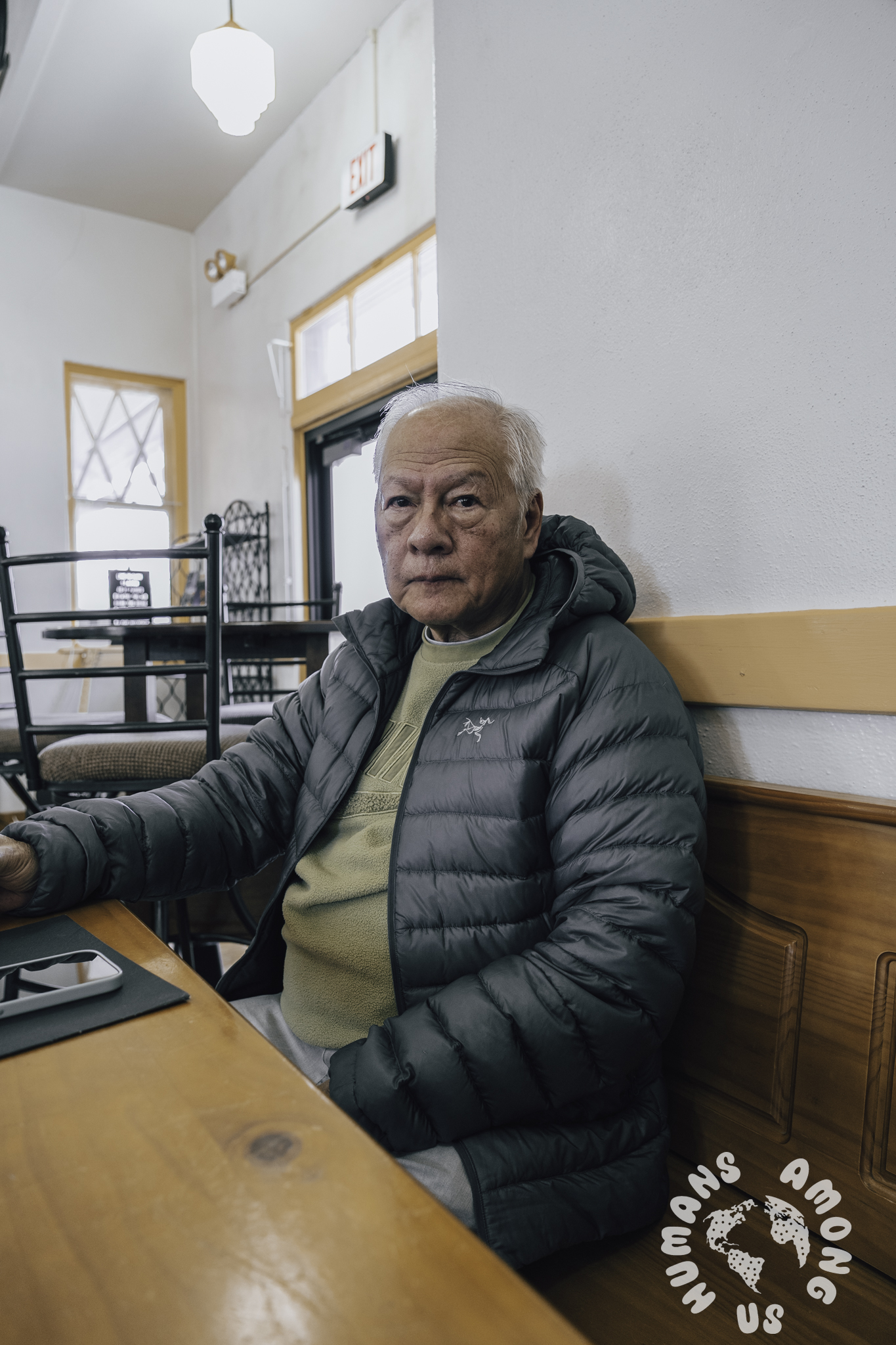
In Tennessee, Paul earned a degree in microbiology and later completed graduate studies in public health. Each accomplishment represented more than academic success. Only a few years earlier, he had been working in a Hong Kong factory during the day and learning English at night. Now he was preparing to begin a professional career in the United States.
After completing his graduate studies in East Tennessee, Paul received three job opportunities. One was in a swampy region of Florida. Another was on a Native American reservation near Phoenix, and the third was in Rock Springs, Wyoming.
Paul had never visited the Rocky Mountains. Most of what he knew about Wyoming came from friends who had traveled to Yellowstone and Jackson. At the time, Rock Springs remained largely unknown to outsiders. For many people, Wyoming was defined by Yellowstone, beautiful mountains, and vast natural landscapes. A friend assured Paul that Wyoming was beautiful. What his friend did not explain was that he was describing Jackson.
Still, the promise of Wyoming’s beauty, combined with the professional opportunity before him, was enough to capture his interest in moving to Rock Springs, Wyoming. In January 1980, he accepted the position, packed his belongings, and began driving west.
│ BETWEEN THE LINES
Ambition is often associated with pursuing the biggest opportunity available. However, meaningful progress sometimes begins with a quieter decision: recognizing which opportunity gives us the best chance to continue becoming who we hope to be.
Arriving in Rock Springs
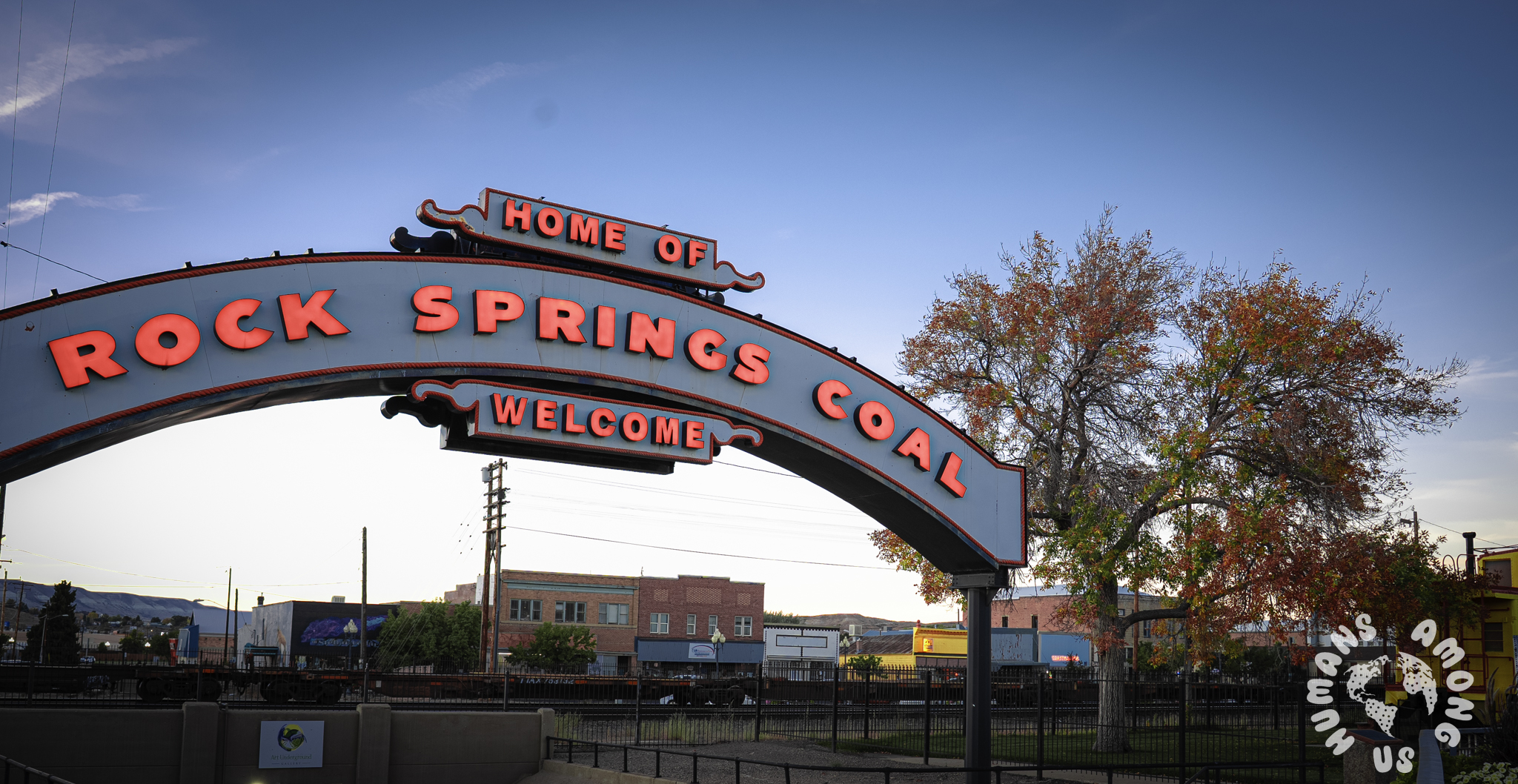
Paul’s introduction to Rock Springs began before he ever saw the town.
Wanting to learn something about his new home, he searched through the books available to him. When he looked up Rock Springs in the index, the only significant reference directed him to the 1885 Chinese Massacre.
Paul jokily expressed; “for a Chinese man preparing to move across the country, this was not exactly a reassuring welcome”. Still, Paul continued west. Paul arrived in Denver after traveling across several states in his small rear wheel car to be welcomed with more snow than he imagined. By the time he reached Cheyenne for orientation, someone recognized how unprepared he was and offered a simple piece of Wyoming advice: “You need a set of snow chains”. Paul remembers wondering ‘what do you mean by snow chain”.
Paul eventually arrived in Rock Springs and quickly discovered that the beautiful Wyoming his friend had described was apparently somewhere else.
Instead of Jackson’s mountains and postcard scenery, Paul remembered seeing what he described as “a very small town, filled with trailer parks, muddy streets, and the harsh realities of winter”. “This is not what my friend said,” he recalled thinking. His friend had told him that Wyoming was beautiful. What he had neglected to mention was that he was talking about Jackson.
Nothing about his first few weeks suggested that this unfamiliar place would eventually become his cherished second home.
Yet Paul stayed. As he had done in China, Hong Kong, and Tennessee, he began adapting to another new environment.
│ BETWEEN THE LINES
First impressions tell us how a place appears before relationships, experiences, and time reveal what it might become. Some places welcome us immediately. Others ask us to remain curious long enough to discover them.
Becoming Part of the Community
Paul began working in public health and food safety, a career that brought him into restaurants and businesses throughout the community. His responsibilities required him to enforce public health standards, but he discovered that simply telling people what they were doing wrong was rarely the most effective way to create change.
His approach was simple: “Have a conversation to send the message across rather than being mean or telling people to just follow the letter of the regulations.”
Instead of issuing commands, Paul tried to explain the reasoning behind each requirement. For instance, if a restaurant needed to install a handwashing sink closer to the kitchen workspace, he did not stop at telling the owner what the regulation required. He helped the person understand how the change could make the work easier, safer, and encourage better habits. Paul understood that people were more likely to respond when they understood why something mattered.
“Rather than telling people what they should do, take your time through conversation and tell them the reason why you should do this,” he said. “This works better and people understand”
His position gave him the authority to enforce public health standards, but his ability to communicate with people gave him influence. Through conversation, humor, and practical explanations, Paul demonstrated a genuine commitment to serving everyone in the community. In doing so, he built trust within the same place that had once felt so unfamiliar to him.
One relationship he remembers with particular fondness was the connection he developed with members of the Hispanic community. Hispanic business owners would call the agency and specifically ask to speak with him because they trusted his approach. Although Paul did not speak Spanish, he found ways to communicate, explain expectations, and build relationships that extended beyond the requirements of his position.
Reflecting on those connections, he jokingly remarked that he probably should have learned Spanish back then. Yet the relationships he formed revealed something important: while sharing a language can help people communicate, trust is often built through patience, respect, and the genuine effort to understand one another.
Over time, he became known throughout Rock Springs for his friendly, funny, and helpful personality. Even when he was having a difficult day, Paul tried to maintain what he called his “cheerful side.”
“If you’re happy, you feel better,” he explained.
His cheerfulness was not an attempt to pretend that difficult days did not exist. It was an intentional choice about how he entered conversations and treated the people he encountered. Because his work centered on serving others, Paul understood that the attitude he brought into each interaction affected both his effectiveness and the experience of those around him. Yet this cheerfulness was never limited to his profession. It is simply who Paul is: someone who chooses humor, warmth, and connection wherever he goes.
│ BETWEEN THE LINES
Rules may tell people what is expected, but understanding helps them recognize why it matters. Lasting influence is rarely built through authority alone. It grows through relationships, trust, and the willingness to see the person behind the behavior. When we stop speaking at people and create space to listen, explain, and understand their experiences, we make it easier for them to share what we may not yet see. Whether in leadership or everyday life, people are more likely to participate, learn, and change when they feel respected rather than managed.
The Balance of Partnership
Paul readily admits that slowing down does not come naturally to him. He likes to move, act, and begin as soon as an idea enters his mind.
“I want to do now,” he said.
His wife, Betty, brings a different rhythm to their life. Where Paul is eager to act, Betty encourages him to slow down, think carefully, and consider other possibilities before moving forward.
Paul describes her as the balance in their relationship. Her thoughtful nature provides a calming and stabilizing influence for his “go-go-go” personality. He openly acknowledges that her presence has helped him pursue his interests and ambitions without, as he put it, becoming “too crazy.”
Betty’s influence does not diminish Paul’s energy or determination. Instead, it gives those qualities steadiness. Their partnership demonstrates how complementary traits can create a stronger whole. One person’s strengths can offer what the other may not easily provide alone.
│ BETWEEN THE LINES
The people closest to us do not always shape us by being like us. Sometimes they shape us by bringing the patience, perspective, or steadiness we cannot easily provide for ourselves.
Discovering Photography
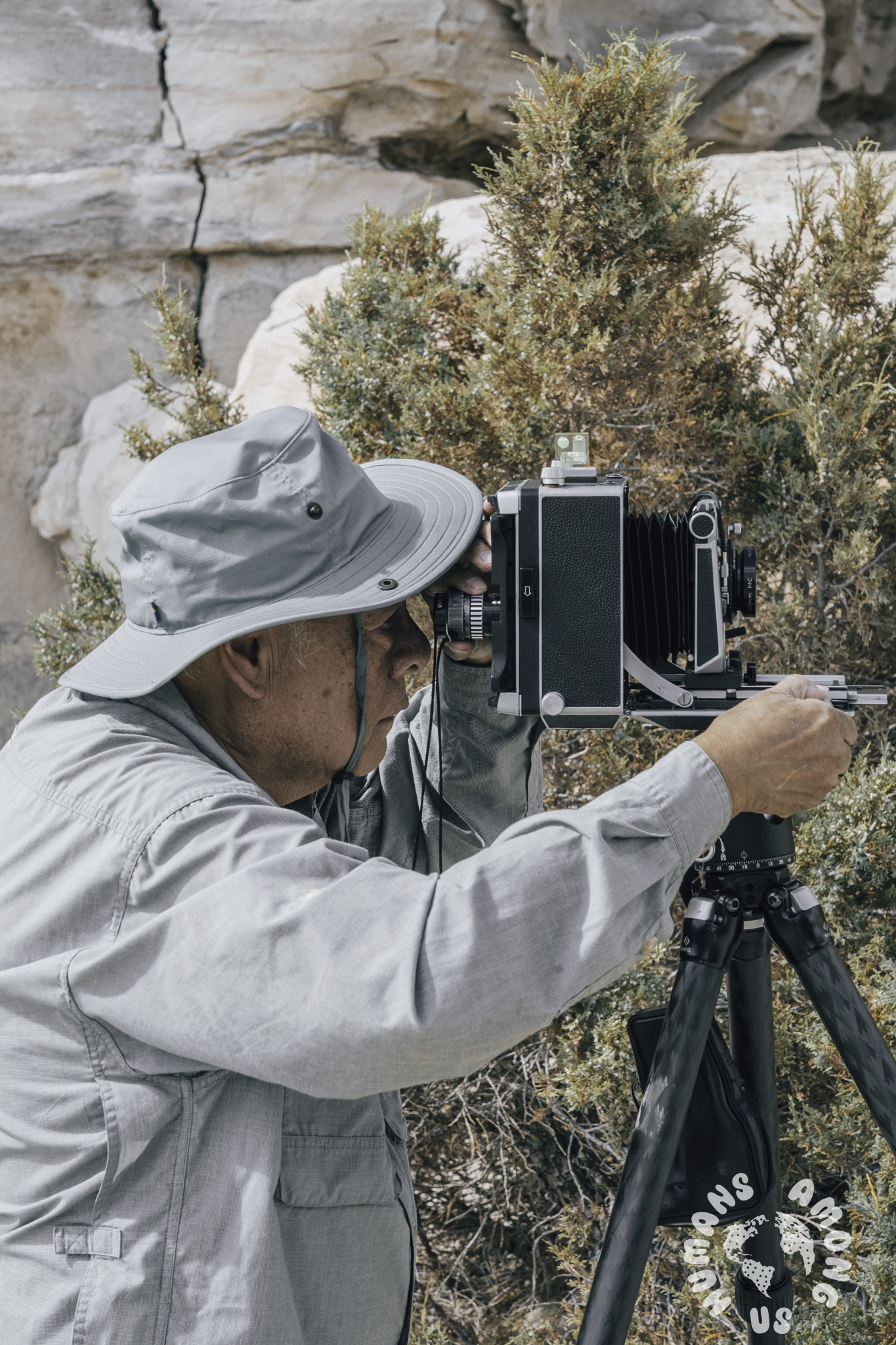
Several years after arriving in Rock Springs, Paul began searching for something meaningful to do outside work. A friend suggested that he enroll in a black-and-white photography class at the local college.
In the summer of 1987, Paul took a foundational photography course taught by Val Brinkerhoff. He entered the class without any formal knowledge of photographic philosophy, composition, or technique.
“I don’t have no knowledge on the philosophy and the concept of photography at all, all I knew was how to take a photo” he admitted. He was not trying to begin a professional photography career. He was simply looking for a hobby.
However, something unexpected happened.
Paul became hooked. Photography encouraged him to travel beyond the roads and highways he used every day. Through his camera, he discovered the sand dunes, open landscapes, and quieter places surrounding Rock Springs.
The beauty his friend had promised was there. Paul simply had to leave the highway to find it.
The town that had initially appeared small, muddy, and disappointing began revealing another side of itself through his camera. Photography gave Paul a reason to slow down, explore his surroundings, and look again.
│ BETWEEN THE LINES
Curiosity can change our relationship with a place. What once appeared empty or disappointing may look different when we leave the familiar path and learn to see it with new eyes.
Learning the Craft
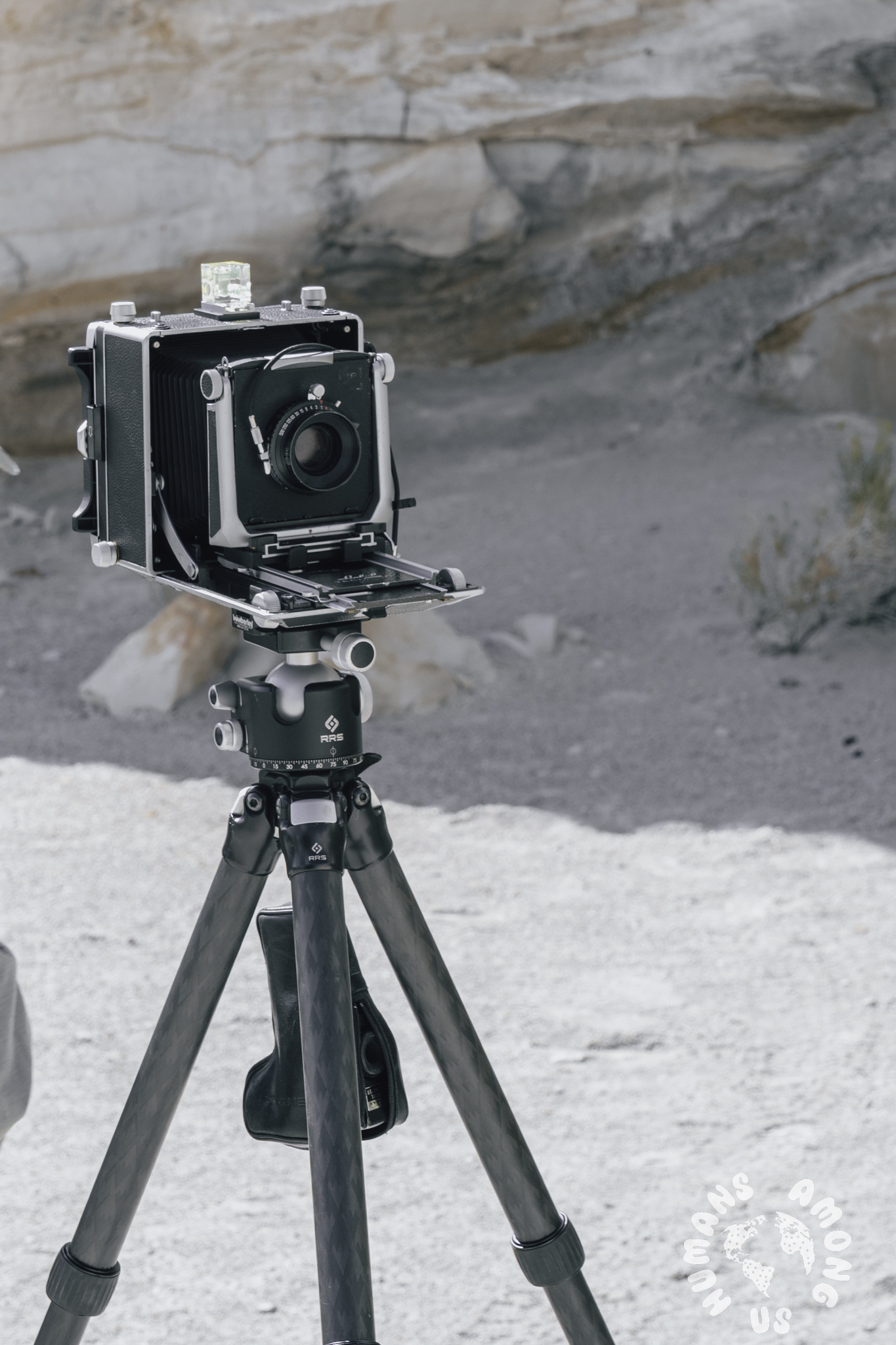
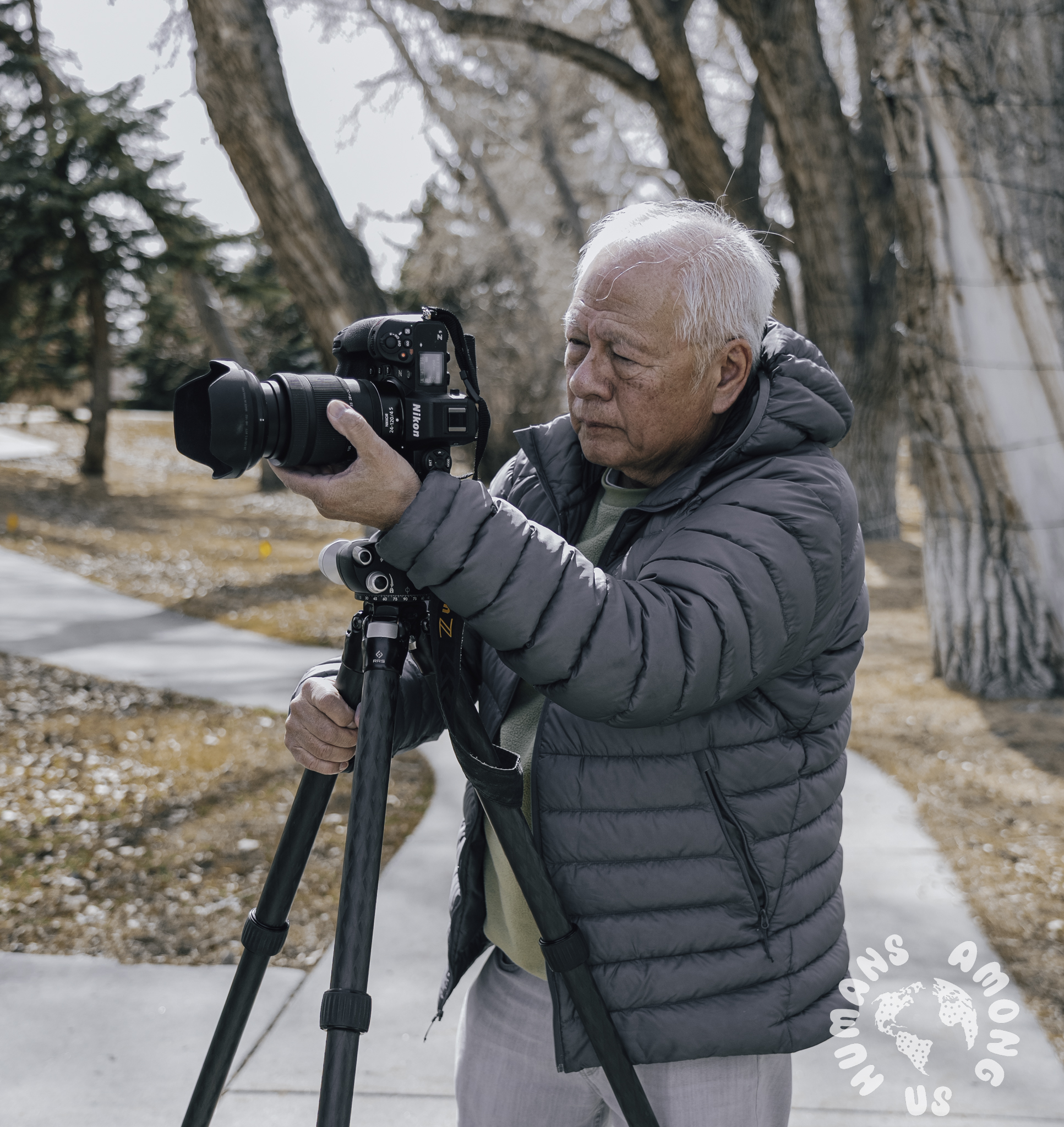
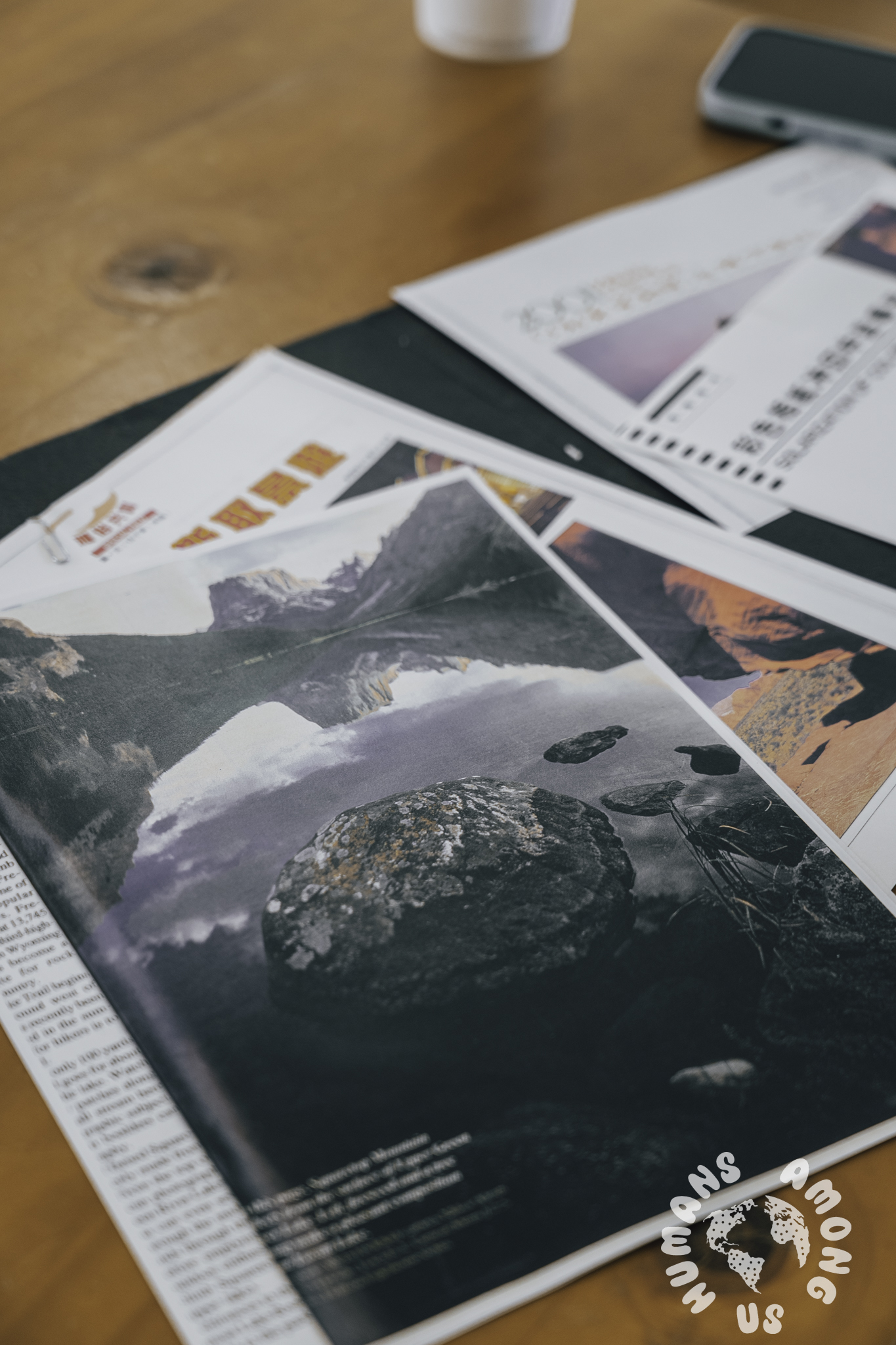
Paul’s curiosity soon carried him far beyond the introductory photography class. Inspired by Ansel Adams and other renowned photographers, he began investing in workshops and further education. He studied with John Sexton, Ansel Adams’ former assistant, on four different occasions. Through fieldwork and extensive time in the darkroom, Paul deepened his knowledge of film development, printing, and the complete photographic process.
The critique sessions became an especially important part of his development. “That’s how you learn your stuff,” Paul explained. “People criticize your work and see how you can get better.”
Paul did not view criticism as a threat to his identity as a photographer. He saw it as an opportunity to improve. Listening to how others experienced his work helped him recognize details, possibilities, and weaknesses he might not have seen on his own.
Even as digital cameras transformed photography, Paul remained firmly committed to film. He valued being involved in every part of the creative process, from composing and capturing the image to developing the negative and producing the final print.
“I enjoy the complete creative control of processing from start to finish,” he explained. “Not many people can do that of late.”
What began as a search for a hobby developed into an enduring dedication to photography. Paul eventually spent 15 years teaching photography at Western Wyoming Community College. His insights also reached a wider audience through articles and work published in various magazines.
When I asked what advice he would offer aspiring photographers like me, his response was direct.
“If you want to be recognized as a photographer, your work cannot remain hidden. Seek every opportunity to showcase your vision to the world.”
Then, still speaking as a teacher, Paul gave me an assignment.
“When you get a chance, you should take a photography class, especially in black and white. It will enhance your understanding of photography and colors.”
│ BETWEEN THE LINES
Growth requires the humility to let our work be seen before it feels perfect. Constructive criticism can reveal what pride, familiarity, or limited perspective may prevent us from seeing on our own.
Learning Patience
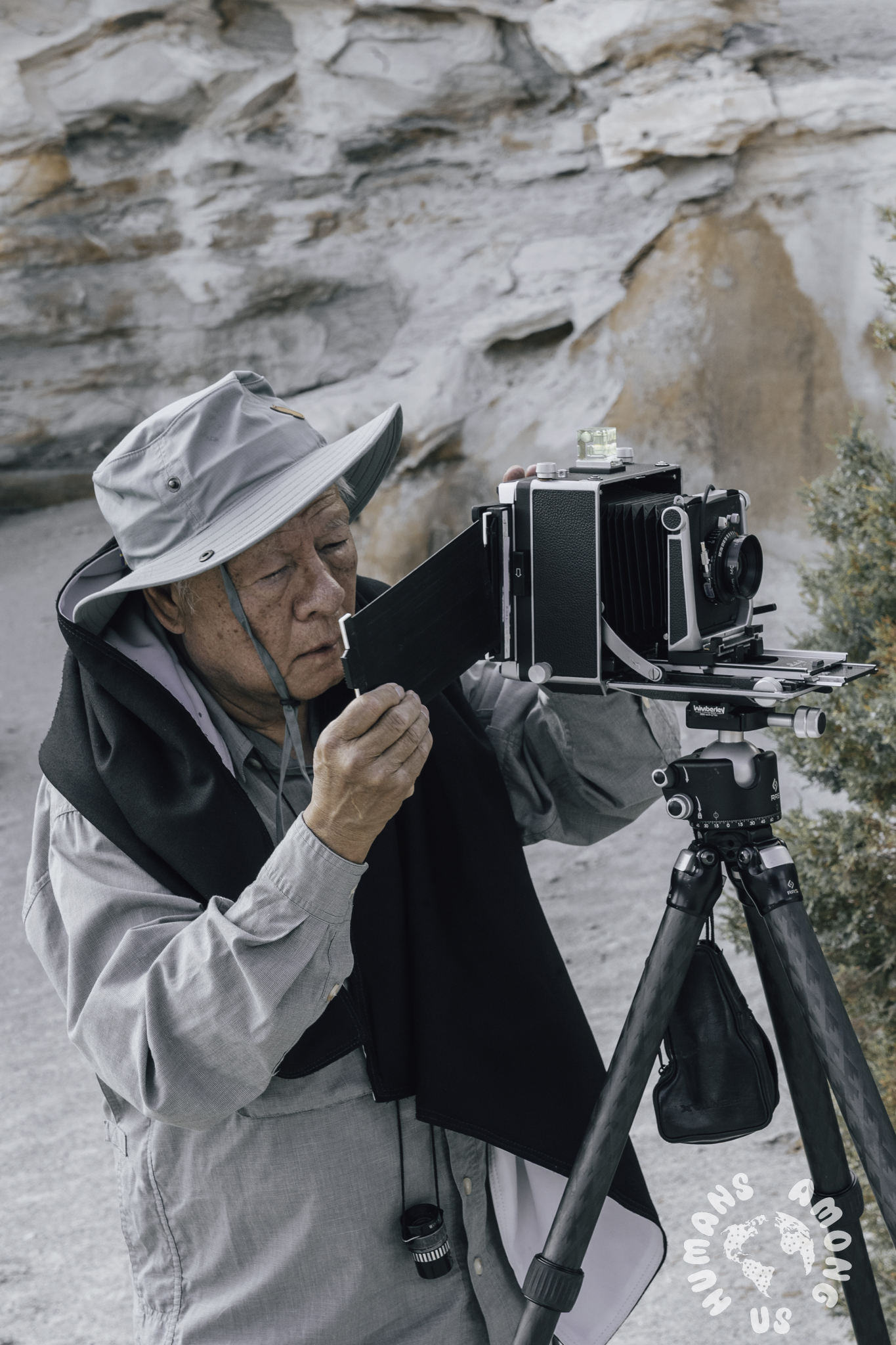
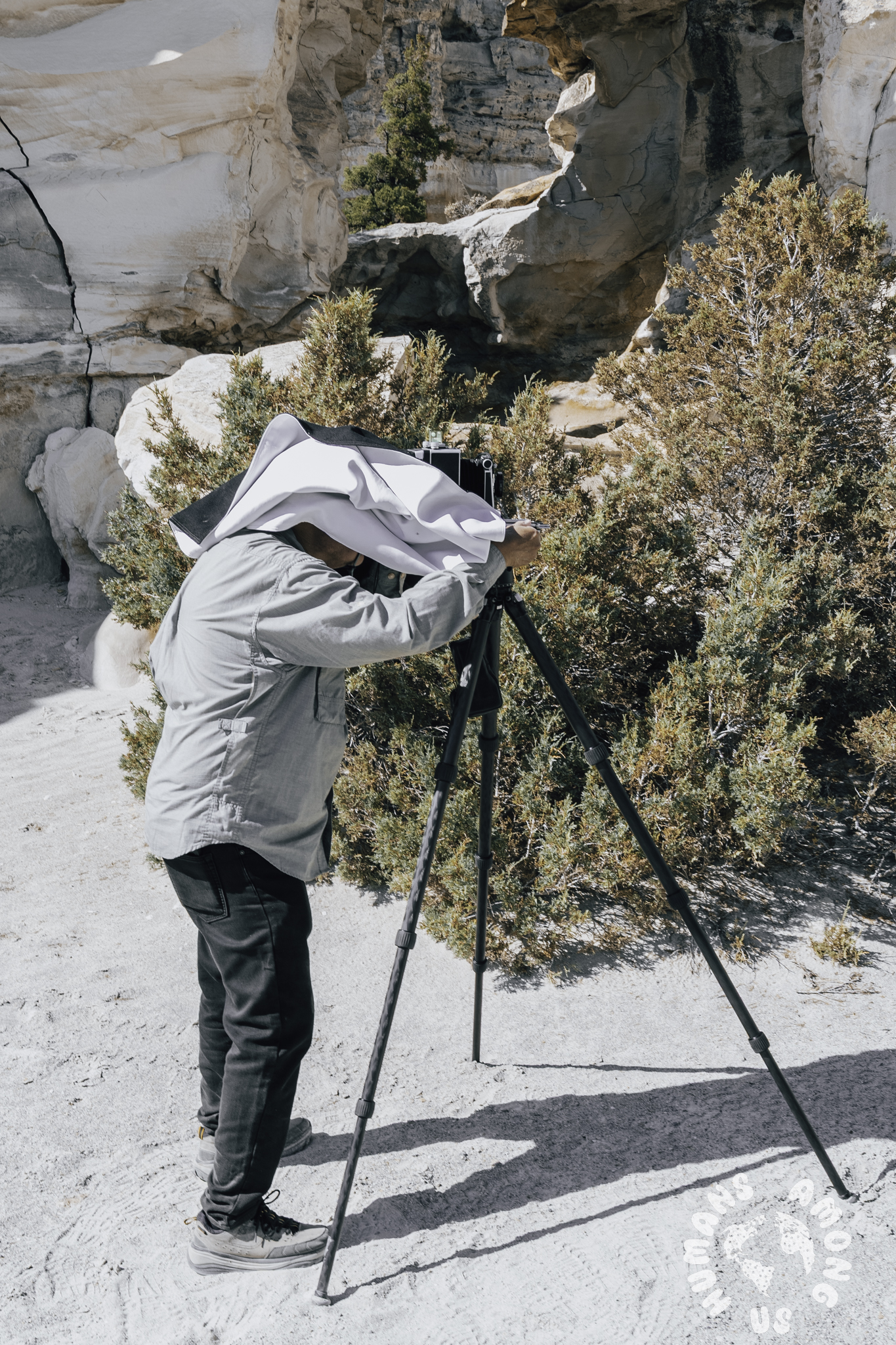
When I asked Paul about the greatest lesson photography had taught him about life, he did not hesitate. The answer was patience.
Paul frequently works with a large-format camera. It is not equipment that allows the photographer to move quickly. It requires time to carry, position, focus, and compose each image carefully.
“First of all, I use a big camera a lot, a large-format camera,” he explained. “You don’t move fast with that camera, so you set up patience. So it trained my patience.”
The equipment forces Paul to slow down and become more deliberate. He had to study the scene, compose the photograph carefully, and appreciate the entire process, from capturing the image to developing and printing it in the darkroom.
Paul consider himself a naturally patient person. Photography did not completely change his personality, but it helped him develop a different relationship with time.
“It helped me to slow down a bit,” he admitted.
He contrasted large-format photography with wildlife photography, where the photographer must react quickly before the moment disappears. One form demands stillness and preparation. The other demands speed and responsiveness. Although they exist at opposite ends of the craft, both require the photographer to remain aware of what the moment is asking.
Photography became more than a hobby or technical pursuit for Paul. It became a teacher. It showed him how to slow down, look carefully, accept criticism, and participate fully in the process of creating something meaningful.
│ BETWEEN THE LINES
The things that hold our attention may also be quietly shaping us. What begins as an interest can become a teacher, cultivating patience, humility, and ways of seeing that we did not know we needed.
The Meaning of Freedom
When Paul reflects on his journey from China to Hong Kong and eventually Wyoming, the word he returns to most often is freedom.
Hong Kong gave him his first experience of it. Suddenly, he was surrounded by information, celebrations, and choices that had not been available to him in mainland China. America expanded that freedom even further. In Wyoming, Paul experienced it not only through laws or the ability to express himself, but also through the physical openness of the landscape and the genuine friendliness of the people.
“The people here are incredibly welcoming,” he said. “A simple ‘hi’ is always met with a warm response.”
Those everyday interactions mattered. The strong community connections helped Paul form friendships and develop a sense of belonging. The place that had initially greeted him with snow, mud, and uncertainty gradually became home.
The weather, he admitted, remained a challenge.
However, Paul’s understanding of freedom is not romantic or abstract. He sees freedom as something that must be managed responsibly. Moving from a place where information, speech, and choice had been restricted into a society filled with possibilities required a new kind of discipline.
“You have to be careful,” he said. “Don’t go crazy on that.”
Freedom may give a person many choices, but Paul believes those choices must remain connected to reality. Sometimes that reality is as practical as a personal budget.
“Certain things you want to do, but you don’t have the money to do it. So, you better stop right here.”
It was a simple example, but it revealed something important about how Paul has navigated his life. He believes in possibility, but not possibility without restraint. He believes in ambition, but not ambition disconnected from reality. He believes in freedom, but not freedom without responsibility.
│ BETWEEN THE LINES
Freedom opens the door to possibility, but it does not determine how we walk through it. The ability to choose becomes meaningful when it is accompanied by the wisdom to recognize which choices deserve to be made.
Adaptability
When asked about the personal quality that helped him move through so many different environments, Paul described himself as adaptable.
That adaptability allowed him to move from Communist China to Hong Kong, from Hong Kong to Tennessee, and from Tennessee to rural Wyoming. Each place required him to understand new customs, navigate unfamiliar systems, and develop relationships with people whose experiences were different from his own.
His transition was more than geographical. It was also ideological. Paul moved from a place where freedom of speech was severely restricted to places where he could express himself openly, provided he remained within the boundaries of the law.
Paul described the adjustment as relatively easy, but greater freedom also required greater self-discipline. He had to learn how to live with choices that had not previously been available to him and how to create internal boundaries where external restrictions no longer existed.
Paul’s adaptability did not mean surrendering his identity to fit into each new environment. It meant learning what his circumstances required while continuing to carry forward the determination, humor, practicality, and curiosity that had shaped him.
│ BETWEEN THE LINES
Adaptability does not require us to abandon who we are. It asks us to remain grounded enough to carry our values forward while becoming open enough to learn from where life has placed us.
A Life of Cheerful Service and Connection
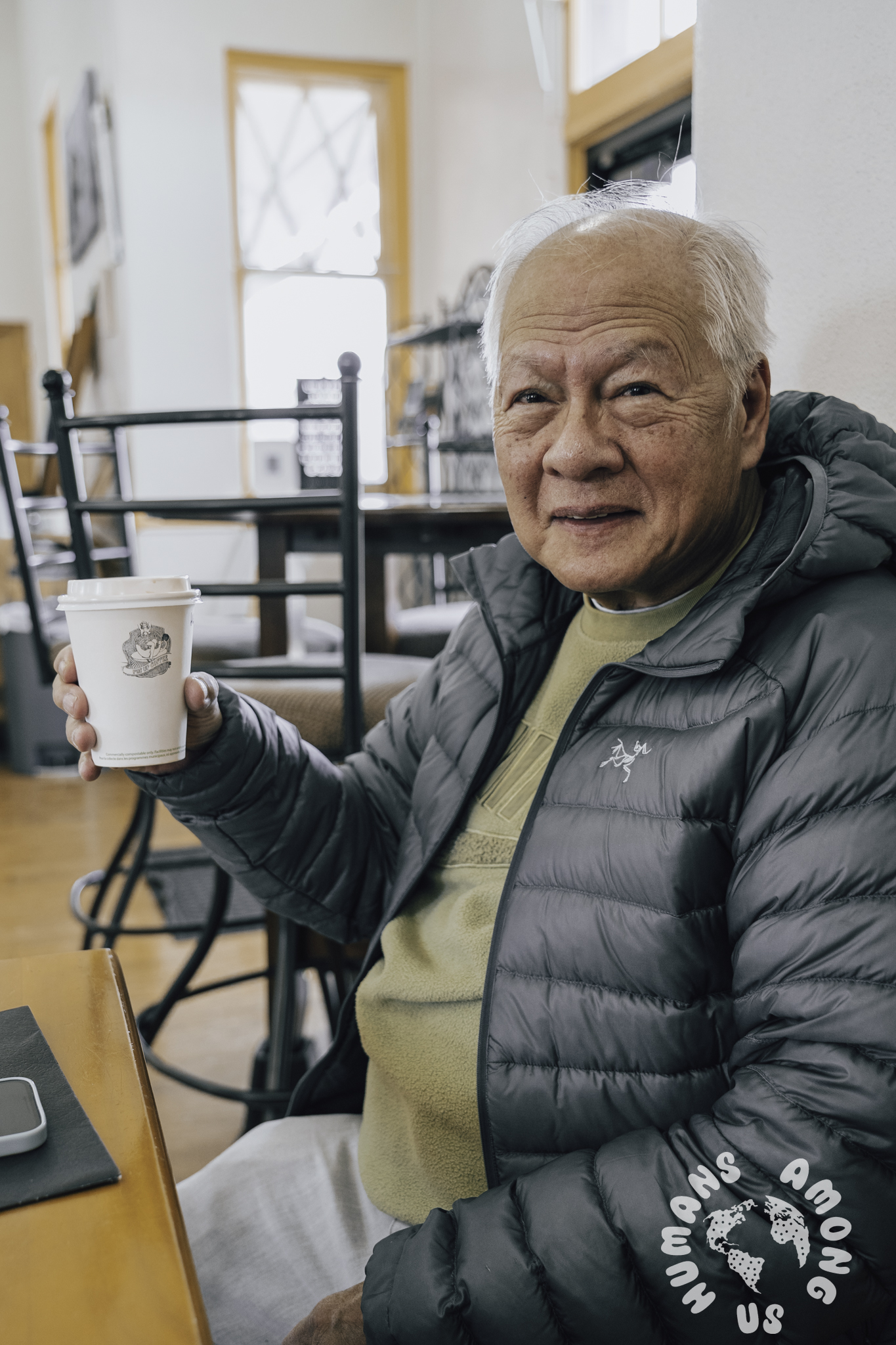
Throughout Paul’s journey, several themes continue to reappear. His perseverance helped him move beyond the limitations of his early life. His practical approach allowed him to balance ambition with reality. His adaptability enabled him to thrive in radically different environments. His relationship with Betty brought balance to his energetic personality. Photography taught him patience, while his work in public health taught him the importance of explaining why something matters.
Together, these experiences shaped the way Paul approaches people.
He believes that a cheerful attitude and a willingness to have conversations are central to a meaningful life. Instead of relying only on authority, he chooses to explain. Instead of allowing a difficult day to determine how he treats others, he tries to carry happiness into his interactions. Instead of viewing criticism as rejection, he uses it as an opportunity to grow.
Paul’s life demonstrates that perseverance is not one dramatic act. It is a collection of decisions made over time. It is working during the day and attending school at night. It is choosing Tennessee over New York because the opportunity is more realistic. It is driving into an unfamiliar Wyoming winter without snow chains. It is remaining in a town that does not resemble the place someone promised. It is taking a photography class without knowing where it may lead. It is listening to criticism, learning the craft, and eventually teaching others.
It is also the decision to remain cheerful, curious, and open to people along the way.
│ BETWEEN THE LINES
A meaningful life is rarely shaped by one extraordinary decision. It develops through the ordinary choices we repeat: how we respond to uncertainty, how we treat people, how willing we are to learn, and whether we remain open to what life may still reveal.
Echoes of Perseverance
Paul’s life has been shaped by movement.
He moved from mainland China to Hong Kong without knowing English. He moved from Hong Kong to Tennessee in pursuit of an education. He moved from Tennessee to a Wyoming town that looked nothing like the place his friend had described.
Each move asked something different of him. He had to learn a new language, understand unfamiliar cultures, navigate educational systems, establish a professional career, build relationships, and find his place within communities that did not immediately feel like home.
Rock Springs did not reveal what it would eventually mean to Paul when he first arrived.
He first saw the snow, mud, trailer parks, and uncertainty. He struggled to find housing and spent two weeks in a hotel before moving into a basement apartment. He wondered what his friend had been talking about when he described Wyoming as beautiful.
Then, slowly, another picture began to develop.
Paul built a career rooted in service and conversation. He formed friendships and became part of the community. He built a life with Betty, whose calm and thoughtfulness brought balance to his energy. He discovered photography and began exploring the landscape beyond the highway. Through photography, he found the beauty he had been promised, learned patience in the darkroom, and eventually helped others understand how to see.
The place that initially disappointed him became his cherished second home.
Perhaps this is what Paul’s journey leaves with us: some places, people, and experiences cannot be understood through the first image we form of them. Their meaning emerges slowly, like a photograph developing in the darkroom.
At first, we see only fragments.
With time, patience, and curiosity, a fuller picture begins to appear.
│ BETWEEN THE LINES
There is always more to a person, a place, and a life than what is visible at first glance. Understanding takes time, and some of the most meaningful parts of our stories only become clear when we remain curious long enough for the complete picture to develop.
What in your own life might look different if you were willing to look again?